Bariatric Surgery Abroad: The Procedure That Changes Lives — at a Price That Makes It Accessible
Obesity affects 42% of American adults and 28% of UK adults — and for patients with severe obesity (BMI >40, or >35 with comorbidities), bariatric surgery is the single most effective intervention available. Studies consistently show 60–80% long-term excess weight loss and resolution or significant improvement in type 2 diabetes (90% of patients), hypertension (75%), sleep apnoea (85%), and joint pain.
The problem is access. In the United States, gastric sleeve surgery costs $15,000–$25,000. Gastric bypass: $20,000–$35,000. With insurance denial rates for bariatric procedures running at 30–60% depending on plan, many patients who would medically benefit cannot access surgery domestically. In Turkey, gastric sleeve costs $3,000–$5,500 all-inclusive. In Mexico, $3,500–$6,500. In India, $4,000–$6,000.
Sleeve vs Bypass vs Band: Which Is Right for You?
| Procedure | How It Works | Excess Weight Loss | Diabetes Resolution | Reversible? |
|---|---|---|---|---|
| Gastric Sleeve | 80% of stomach removed. Reduces hunger hormone (ghrelin). No rerouting. | 60–70% | 60–70% | No |
| Roux-en-Y Bypass | Small stomach pouch + intestinal bypass. Restriction + malabsorption. | 70–80% | 80–90% | Technically yes but complex |
| Mini Bypass (OAGB) | Single loop bypass. Simpler than RNY. Growing popularity. | 70–80% | 75–85% | Technically yes |
| Gastric Band (LAGB) | Silicone band around stomach. Adjustable. Falling out of favour. | 40–50% | 30–40% | Yes |
| Duodenal Switch (SADI) | Sleeve + significant intestinal bypass. Most powerful option. | 80–90% | 90–95% | No |
Bariatric Surgery Cost by Country (2025, All-Inclusive)
| Country | Gastric Sleeve | Gastric Bypass | Typical Stay |
|---|---|---|---|
| 🇹🇷 Turkey | $3,000–$5,500 | $4,500–$7,500 | 5–8 days |
| 🇲🇽 Mexico | $3,500–$6,500 | $5,000–$9,000 | 5–7 days |
| 🇮🇳 India | $4,000–$6,000 | $5,500–$8,000 | 5–8 days |
| 🇹🇭 Thailand | $5,000–$8,000 | $6,500–$10,000 | 6–10 days |
| 🇨🇾 Czech Republic | $4,500–$7,000 | $5,500–$8,500 | 5–8 days |
| 🇺🇸 USA | $15,000–$25,000 | $20,000–$35,000 | 2–3 days |
Do You Qualify for Bariatric Surgery?
Standard international criteria (NIH guidelines) require: BMI ≥40, or BMI ≥35 with one or more weight-related comorbidities (type 2 diabetes, hypertension, sleep apnoea, severe joint disease). Patients must also demonstrate that non-surgical weight loss methods (diet, exercise, medication) have been attempted and failed over a period of typically 2–5 years.
Age range: typically 18–65, though centres in Turkey and Mexico accept selected patients outside this range on a case-by-case basis. Psychological evaluation is mandatory at all reputable centres.
12-Week Pre-Surgery Preparation Programme
Serious bariatric centres require a structured pre-operative programme. This is not bureaucracy — it genuinely improves outcomes. Key elements:
- Liver shrinking diet (2–4 weeks before surgery): High-protein, very low carbohydrate diet reduces liver size by 20–25%, significantly easing laparoscopic surgery.
- Stop smoking: Minimum 4 weeks before surgery. Smoking dramatically increases complication rates including anastomotic leaks (life-threatening).
- Stop NSAIDs: Ibuprofen, aspirin (unless prescribed for heart condition) must stop 2 weeks before surgery.
- Blood tests: Full metabolic panel, thyroid function, coagulation screen, vitamin/mineral levels.
- Psychological clearance: Assessment of eating behaviours, support system, and realistic expectations.
Ready to Get Started?
Submit your free quote request and receive personalised quotes from accredited clinics within 4 hours.
Get Free Quotes →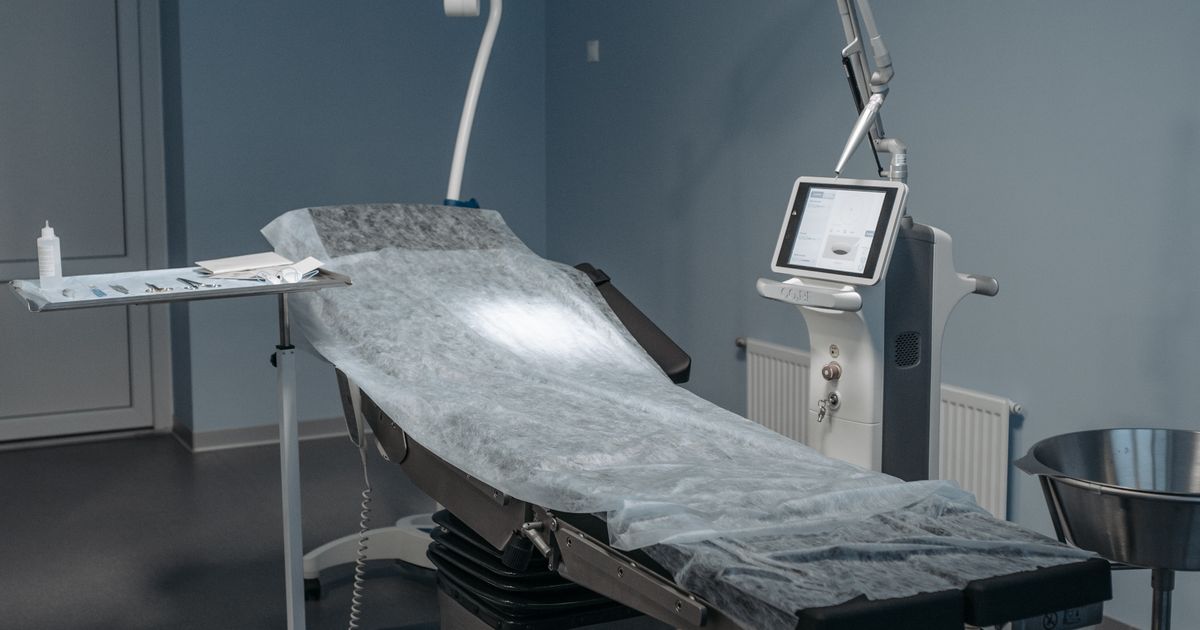
Photo by Pavel Danilyuk / Pexels
What Actually Moves the Price — Four Factors Quotes Rarely Explain
Two quotes for the same bariatric surgery can differ by thousands, and the gap is almost never random. Before comparing bottom-line numbers, understand what sits behind them:
1. Sleeve vs bypass economics
Bypass adds $1,500–2,500 abroad over sleeve — the price of a second anastomosis and longer theatre time. Medically, the choice belongs to your metabolic profile, not the price sheet.
2. Surgeon volume premium
Bariatric outcomes track annual surgeon volume more steeply than most surgery. The centres doing 500+ cases yearly (Istanbul has several) can price competitively because complications are rare — volume is your discount and your safety.
3. Included follow-up length
The differentiator in packages: 12–24 months of remote dietitian and surgeon follow-up vs a WhatsApp number. Weight-loss surgery is a two-year project; buy the version that acknowledges it.
4. Pre-op testing scope
Endoscopy, cardiac assessment, sleep study when indicated — thorough pre-op work costs $300–600 and prevents the surprises that cancel surgeries on arrival.
Complications, Honestly — and How Good Clinics Handle Them
No serious guide to bariatric surgery should skip this section. Every procedure carries risk; the difference between a good outcome and a bad story is usually how the clinic prepares for, discloses, and manages that risk. Here is what deserves your attention:
Anastomotic/staple-line leak (0.5–2%)
The complication that defines bariatric centre quality. It demands 24/7 surgical response — hospital-grade facility, never a clinic suite. Ask the centre’s leak rate and their response protocol.
Nutritional deficiency (long-term)
Iron, B12, D, calcium — lifelong supplementation is not optional, especially post-bypass. The good centres put it in writing with dosing before you consent.
Weight regain (years 2–5)
Surgery resets the tool; habits decide the decade. Centres with structured behavioural follow-up show measurably better 5-year curves — the follow-up package is clinical, not customer service.
Aftercare Timeline: What You Will Actually Be Doing
Recovery is not an event but a schedule. Print this, adapt it to your surgeon’s specific protocol, and give a copy to whoever is looking after you:
- Weeks 1–4: Liquid to purée to soft progression on the exact schedule. Protein targets daily. Walking from day one. Wound care as taught.
- Months 2–6: The rapid-loss phase: hydration discipline, vitamin regime, follow-up bloods at month 3. Hair shedding around month 4 is common and temporary.
- Years 1–5: Annual bloods forever. Plateaus are normal; regain trends are addressable early. Use the dietitian support you paid for — the patients who do keep the weight off.
Five Questions That Separate Good Clinics From the Rest
Ask these on your video consultation. The content of the answers matters — but so does the manner: clinics comfortable with scrutiny answer specifics without defensiveness. Evasive answers to any of these are your cue to keep looking.
- Sleeve or bypass for my BMI, diabetes status and reflux history — and why?
- What is your leak rate and what happens, hour by hour, if one occurs?
- What pre-op testing will you run before confirming surgery?
- What follow-up is included — who, how often, for how long?
- What supplement protocol will I follow, and who monitors my bloods at home?
How this guide was prepared
This guide is reviewed by the InterHealthTour medical advisory board and updated as pricing data, clinical guidance and partner-clinic protocols change. Cost ranges reflect quotes collected from accredited partner clinics and published price lists as of Q1 2025; individual quotes vary with anatomy, comorbidities and exchange rates. Nothing here is a substitute for an individual consultation — it is the preparation for one. See our verification methodology for how clinics enter and stay in our network.
Myths vs Reality
A few misconceptions come up repeatedly in patient enquiries about bariatric surgery abroad, worth clearing up before you go further.
The opposite is often true at reputable centres — leading Turkish and Indian bariatric programmes include 12-24 months of remote dietitian and surgeon follow-up as standard, frequently more structured than many domestic post-surgical pathways.
Some regain in years 2-5 is common and does not indicate surgical failure — it reflects the ongoing behavioural component of weight management that surgery supports but does not replace entirely.
Frequently Asked Questions
Sources & References
- Joint Commission International. Accreditation Standards for Hospitals. 7th Edition, 2024.
- Patients Beyond Borders. Medical Tourism Statistics & Facts. 2024 Edition.
- International Society of Aesthetic Plastic Surgery (ISAPS). Global Statistics 2023.
- WHO Patient Safety: Global Action Plan 2021–2030.
- PubMed. Outcomes in medical tourism: a systematic review. Int J Qual Health Care. 2023;35(1).