Liposuction Abroad: What Has Changed (and Why 2025 Is Different)
Liposuction is the world’s most performed cosmetic surgical procedure. It has also been one of the most associated with medical tourism complications — mostly because in the past, patients chose the cheapest possible providers without adequate vetting. That has changed significantly. The global adoption of VASER (ultrasound-assisted) liposuction, the proliferation of JCI-accredited facilities in Turkey and Thailand, and dramatically improved patient education have all contributed to a much safer landscape for liposuction abroad.
In the United States, liposuction of a single area (e.g., abdomen) costs $3,500–$7,500. Multiple areas: $8,000–$18,000. In Turkey, VASER liposuction of 4–6 areas all-in costs $3,000–$5,500. In the Czech Republic, $2,800–$5,000. In Thailand, $3,500–$6,000. The savings fund business class flights several times over.
Liposuction Techniques Compared
| Technique | How It Works | Best For | Downtime |
|---|---|---|---|
| VASER (Ultrasound) | Ultrasound probe liquefies fat before removal | Definition, athletic contouring, Hi-Def | 7–14 days |
| Traditional (SAL) | Manual cannula breaks up and removes fat | Large volume removal, cost-sensitive patients | 7–14 days |
| Laser (SmartLipo/SlimLipo) | Laser energy melts fat, some skin tightening | Smaller areas, skin laxity concerns | 5–10 days |
| Power-Assisted (PAL) | Vibrating cannula reduces surgeon fatigue | Large volume, fibrous areas (back, male chest) | 7–14 days |
Cost by Area and Country (2025)
| Area(s) | Turkey | Czech Republic | Thailand | USA |
|---|---|---|---|---|
| Abdomen only | $1,500–$2,800 | $1,400–$2,500 | $1,800–$3,000 | $3,500–$7,500 |
| Abdomen + Flanks | $2,500–$4,000 | $2,300–$3,800 | $2,800–$4,500 | $6,000–$12,000 |
| Full torso (6+ areas) | $3,500–$5,500 | $3,200–$5,000 | $4,000–$6,500 | $12,000–$20,000 |
| Arms (both) | $1,200–$2,500 | $1,100–$2,200 | $1,400–$2,800 | $3,000–$7,000 |
| Thighs (inner+outer) | $1,800–$3,200 | $1,600–$3,000 | $2,000–$3,800 | $4,000–$9,000 |
Safety: What Makes Liposuction Risky and How to Mitigate It
Liposuction fatalities, though rare, do occur — most often from pulmonary embolism (blood clot to the lungs), fat embolism, or fluid imbalance from excessive anaesthesia. The risk factors are: excessive volume removed in a single session, inadequate pre-op assessment, unaccredited facility without intensive care backup, and inadequate anticoagulation protocol.
Mitigation: (1) choose JCI or ISO-accredited hospitals with full ICU capability; (2) ensure your surgeon limits single-session liposuction to medically safe volumes (typically 4–5 litres maximum in most guidelines); (3) ask specifically about the DVT prevention protocol; (4) wear compression garments religiously for 6 weeks post-procedure; (5) walk from day 1 post-surgery.
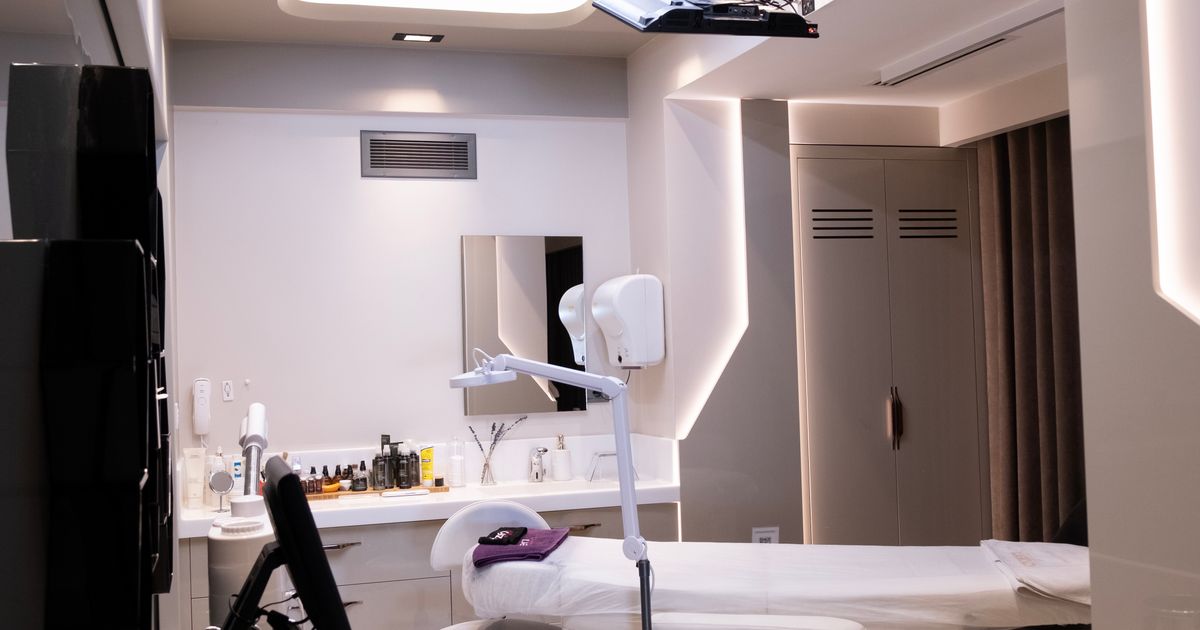
Photo by Zandatsu / Pexels
What Actually Moves the Price — Four Factors Quotes Rarely Explain
Two quotes for the same liposuction can differ by thousands, and the gap is almost never random. Before comparing bottom-line numbers, understand what sits behind them:
1. Number of areas — honestly counted
Clinics count areas differently: “abdomen” may be one area or upper+lower as two. Get the map drawn on a body chart in your quote.
2. VASER premium
Ultrasound-assisted lipo adds $500–1,000 abroad and earns it in fibrous areas (male chest, back) and definition work. For a first-pass debulking, standard tumescent lipo is fine.
3. Volume limits and staging
Past ~5 litres of aspirate, complication risk climbs steeply. A surgeon who suggests staging your case over two sessions is protecting you, not upselling.
4. Garments and aftercare kit
Two medical-grade compression garments, arnica, and lymphatic massage sessions add real cost — the good packages include them, the cheap ones do not.
Complications, Honestly — and How Good Clinics Handle Them
No serious guide to liposuction should skip this section. Every procedure carries risk; the difference between a good outcome and a bad story is usually how the clinic prepares for, discloses, and manages that risk. Here is what deserves your attention:
Contour irregularities (the #1 complaint)
Lumps and dents from uneven fat removal. Volume experience matters more here than anywhere — this is why you ask for last-year case numbers, not career totals.
Fluid overload / lidocaine toxicity
Tumescent technique is safe within dose limits that a proper anaesthesia team calculates for your weight. Office-suite mega-volume lipo is where the tragedies happen.
Skin laxity disappointment
Lipo removes fat; it does not tighten loose skin. If you pinch more than 2–3cm of loose skin, you may need excisional surgery instead — an honest surgeon says so at consultation.
Aftercare Timeline: What You Will Actually Be Doing
Recovery is not an event but a schedule. Print this, adapt it to your surgeon’s specific protocol, and give a copy to whoever is looking after you:
- Days 1–10: Compression garment 24/7, short frequent walks from day one, expect bruising to look worse before better, drains (if used) out at day 2–5.
- Weeks 2–6: Garment continues (most surgeons: 6 weeks). Lymphatic drainage massage genuinely speeds swelling resolution — book 4–6 sessions.
- Months 3–6: The result you see at month 1 is not final; skin retracts through month 6. Judge nothing before then — including whether you need a touch-up.
Five Questions That Separate Good Clinics From the Rest
Ask these on your video consultation. The content of the answers matters — but so does the manner: clinics comfortable with scrutiny answer specifics without defensiveness. Evasive answers to any of these are your cue to keep looking.
- Exactly which areas — drawn on a chart — does my quote include?
- How many litres do you expect to remove, and where is your staging threshold?
- VASER or tumescent for my case — and what difference will I see?
- Will an anaesthesiologist be present throughout?
- What does your quote include for garments and lymphatic massage?
How this guide was prepared
This guide is reviewed by the InterHealthTour medical advisory board and updated as pricing data, clinical guidance and partner-clinic protocols change. Cost ranges reflect quotes collected from accredited partner clinics and published price lists as of Q1 2025; individual quotes vary with anatomy, comorbidities and exchange rates. Nothing here is a substitute for an individual consultation — it is the preparation for one. See our verification methodology for how clinics enter and stay in our network.
Pre-Trip Checklist: 6 Things to Sort Before You Book Flights for Liposuction
The difference between a smooth trip and a stressful one is almost always preparation done weeks, not days, in advance. Work through this before confirming your travel dates:
☐ Get your treatment areas mapped on a body chart
Ask the clinic to draw exactly what "abdomen" or "flanks" includes in your specific quote.
☐ Stop blood thinners 10-14 days prior
Standard pre-surgical protocol — confirm the exact list of substances to avoid with your clinic.
☐ Buy medical-grade compression garments
Two garments minimum — you will rotate them for 6 weeks of continuous wear.
☐ Confirm anaesthesia type and team
An anaesthesiologist present throughout, not just a sedation nurse, is the standard you should insist on for larger-volume cases.
☐ Plan for uneven early results
Swelling resolves unevenly through month 6 — do not judge the result, or book a touch-up, before then.
☐ Arrange lymphatic massage sessions
4-6 sessions genuinely speed swelling resolution — book them as part of your package if offered.
💬 From Our Coordination Team
Our coordination team notices a consistent gap between patient expectation and surgical reality around "areas" — a patient asking for "abdomen and flanks" often has a different mental map of that region than the surgeon quoting it. Requesting a body chart with the treatment zones drawn on, before agreeing a price, resolves this ambiguity every time it has been tried.
Bottom Line: Is Liposuction abroad Right for You?
Liposuction abroad rewards patients who choose technique and volume limits based on their surgeon's judgment rather than their own ambition — the safest results come from realistic single-session goals.
✓ Good fit if
- You have good skin elasticity and realistic expectations about contouring rather than dramatic weight loss
- You can commit to 6 weeks of compression garment wear and several lymphatic massage sessions
- Your surgeon has discussed volume limits and, if needed, staging over two sessions
⚠ Reconsider or wait if
- You have significant loose skin — you likely need excisional surgery (like a tummy tuck) rather than or alongside liposuction
- You are seeking liposuction as a substitute for weight loss rather than body contouring after reaching a stable weight
Myths vs Reality
A few misconceptions come up repeatedly in patient enquiries. Worth clearing up before you go further:
At accredited hospitals with anaesthesiologist-led sedation, the risk profile matches Western centres. The genuine risk factor is facility class, not country — office-suite mega-volume procedures are dangerous anywhere.
Contour, not volume, determines whether a result looks good. Surgeons who exceed safe aspirate volumes in pursuit of dramatic before/after photos are trading your safety for marketing material.
Final contour takes 3-6 months to reveal itself as swelling resolves unevenly. Judging the result — or requesting a touch-up — before that window has closed is premature.
Volume management and fluid balance calculations require genuine anaesthesia and surgical expertise — this is not a procedure to book based on price alone without checking the surgical team's specific experience.
Sources & References
- Joint Commission International (JCI). Accreditation Standards for Hospitals. 2024.
- Patients Beyond Borders. Medical Tourism Statistics & Facts. 2024.
- World Health Organization (WHO). Patient Safety Global Action Plan. 2024.
- PubMed. Outcomes in medical tourism: systematic review. J Int Medical Research. 2023.