Medical Visas: Everything You Need to Know Before Travelling for Treatment
For most medical tourism trips to Turkey, Thailand, India, or Eastern Europe, the visa process is simpler than patients expect — often just a standard tourist visa or visa-on-arrival. But for longer treatments, specific countries require dedicated medical visas with supporting documentation. Getting this wrong can mean delays, extra costs, and stress. This guide covers the most common medical tourism destinations and exactly what you need.
Turkey — No Visa Required for Most Patients
Citizens of EU member states, the UK, USA, Canada, Australia, and most other Western countries can enter Turkey visa-free for up to 90 days in any 180-day period. No special medical visa is required regardless of the procedure. Turkey’s universal e-Visa (for nationalities that require one) is obtained online at evisa.gov.tr in minutes for $50. Your treating clinic will provide a hospital appointment confirmation letter that can be used if immigration queries your purpose of visit, but this is rarely requested.
India — e-Medical Visa Required
India requires an e-Medical Visa (e-MV) for patients specifically travelling for treatment — this is separate from a tourist e-Visa and has significant advantages. The e-Medical Visa allows:
- A stay of 60 days (extendable for ongoing treatment)
- Multiple entry (useful for treatment requiring multiple trips)
- Two accompanying attendants on e-Medical Attendant Visas (e-MTA)
To apply: visit indianvisaonline.gov.in. You will need a letter from your Indian treating hospital confirming your appointment, date of admission, estimated cost, and duration. InterHealthTour obtains this letter for all patients as part of the coordination service. The e-Medical Visa costs $25–$100 depending on nationality and is issued within 1–4 business days.
Thailand — Visa on Arrival (30 Days) or Medical Visa (90 Days)
Citizens of most Western countries receive 30 days visa-free on arrival in Thailand, extendable to 60 days at a local immigration office for 1,900 THB (~$55). For treatment requiring more than 60 days, apply for a Non-Immigrant Visa type O (Medical) at a Thai Embassy or Consulate before travel. Required documents: passport, hospital appointment letter in Thai (your clinic provides this), proof of accommodation, and proof of funds. Duration: 90 days, single or multiple entry.
Germany — Schengen Medical Visa for Non-EU Patients
EU/EEA/Swiss citizens and UK citizens (post-Brexit 90-day visa-free) can enter Germany without a visa for treatment. Citizens of most other countries require a Schengen Visa, type "C" for short stays (up to 90 days) or type "D" for long-stay medical treatment. Apply at the German Embassy/Consulate in your country. Required supporting documents: clinic appointment confirmation, estimated cost and length of treatment, proof of accommodation, and proof of funds sufficient to cover treatment costs. Processing time: 2–15 business days depending on nationality and Embassy workload.
Essential Documents for Any Medical Travel Visa Application
- Valid passport (at least 6 months validity beyond travel dates)
- Hospital or clinic appointment confirmation letter (InterHealthTour provides this)
- Medical records supporting the need for treatment abroad
- Proof of accommodation (hotel or recovery apartment booking)
- Proof of travel insurance (see our travel insurance guide)
- Bank statement showing sufficient funds (typically 3–6 months of statements)
- Return flight booking
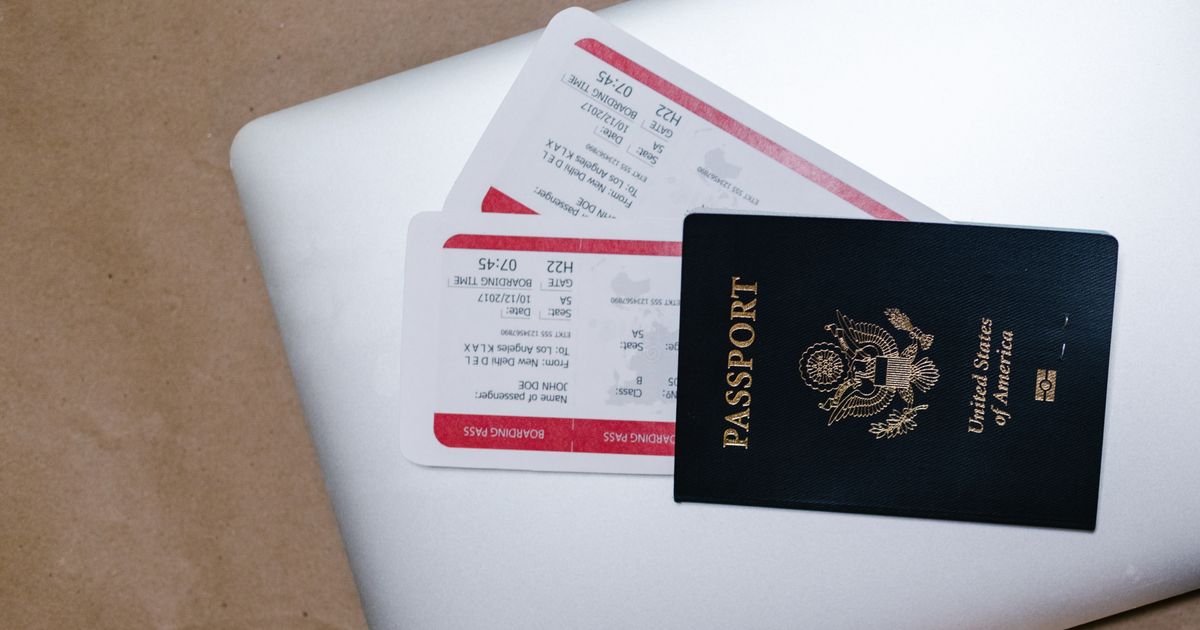
Photo by RDNE Stock project / Pexels
What Actually Moves the Price — Four Factors Quotes Rarely Explain
Two quotes for the same medical travel visas can differ by thousands, and the gap is almost never random. Before comparing bottom-line numbers, understand what sits behind them:
1. Processing time buffers
e-Visas quote 1–4 business days; embassies quote 2–15. Apply at least 3 weeks before travel and never book non-refundable surgery dates before visa grant.
2. Attendant visas
India’s e-MTA covers two companions; Thailand and Germany require companions to apply separately as tourists. Plan the paperwork as a family, not per person.
3. Extension pathways
Complications extend stays. Know before you fly: Thai extensions at Chaeng Watthana, Indian FRRO registration, Schengen exceptional-stay rules — your clinic coordinator should brief you.
4. Proof-of-funds thresholds
Germany expects evidence you can cover quoted treatment plus stay; India and Thailand are lighter. Recent bank statements plus the clinic cost letter satisfy nearly all cases.
Complications, Honestly — and How Good Clinics Handle Them
No serious guide to medical travel visas should skip this section. Every procedure carries risk; the difference between a good outcome and a bad story is usually how the clinic prepares for, discloses, and manages that risk. Here is what deserves your attention:
Wrong visa category
Entering on a tourist visa for lengthy treatment can complicate extensions and, in India’s case, breach the rules outright. When a medical category exists, use it.
Passport validity traps
Six months validity beyond travel dates, two blank pages. Checked at check-in, not just immigration — renew early.
Overstay from medical delay
Overstaying because you were in hospital is usually forgivable with documentation — but only if you engage immigration before expiry, not after. Your clinic’s international office does this weekly; ask them to handle it.
Aftercare Timeline: What You Will Actually Be Doing
Recovery is not an event but a schedule. Print this, adapt it to your surgeon’s specific protocol, and give a copy to whoever is looking after you:
- Before applying: Get the hospital appointment letter with dates, procedure, cost estimate and duration — the anchor document for every medical visa on earth.
- During your stay: Keep the visa grant, entry stamp and hospital letters together. Photograph everything to cloud storage.
- If plans change: New surgery date? Update the visa or extension proactively. Immigration systems forgive the informed and punish the silent.
Five Questions That Separate Good Clinics From the Rest
Ask these on your video consultation. The content of the answers matters — but so does the manner: clinics comfortable with scrutiny answer specifics without defensiveness. Evasive answers to any of these are your cue to keep looking.
- Which visa category fits my treatment length — and does a medical category exist for my destination?
- What documents does the embassy list, and does my clinic letter contain every required element?
- How do extensions work if recovery runs long — who at the clinic assists?
- Do my companions need their own visa category?
- Is my passport valid 6+ months beyond my return date?
How this guide was prepared
This guide is reviewed by the InterHealthTour medical advisory board and updated as pricing data, clinical guidance and partner-clinic protocols change. Cost ranges reflect quotes collected from accredited partner clinics and published price lists as of Q1 2025; individual quotes vary with anatomy, comorbidities and exchange rates. Nothing here is a substitute for an individual consultation — it is the preparation for one. See our verification methodology for how clinics enter and stay in our network.
Pre-Trip Checklist: 6 Things to Sort Before You Book Flights for Applying for your medical visa
The difference between a smooth trip and a stressful one is almost always preparation done weeks, not days, in advance. Work through this before confirming your travel dates:
☐ Apply at least 3 weeks before travel
Processing times vary by country and nationality — never book non-refundable surgery dates before visa approval.
☐ Get the hospital appointment letter early
This is the anchor document every medical visa application needs — request it from your clinic as soon as dates are set.
☐ Check your passport has 6+ months validity
And at least two blank pages — checked at check-in as well as immigration.
☐ Confirm the visa category for companions
India's e-MTA covers two attendants; other countries often require separate tourist visa applications.
☐ Gather proof of funds
Recent bank statements plus your treatment cost letter satisfy nearly every medical visa requirement.
☐ Save all visa and hospital documents together
Grant letter, entry stamp, appointment letter — photographed to cloud storage as a backup.
💬 From Our Coordination Team
A recurring theme in visa-related enquiries: patients underestimate how much smoother the process becomes once they have the hospital appointment letter in hand, because nearly every subsequent document and application step references it. Requesting this letter as the very first step, before doing anything else visa-related, consistently shortens the overall timeline.
Bottom Line: Is Navigating medical visas Right for You?
Visa requirements vary enough by destination that generic advice only goes so far — the constant across every country is that the hospital appointment letter is your foundational document, and everything else follows from it.
✓ Good fit if
- You have a confirmed treatment date and clinic, giving you a concrete document to build your visa application around
- You are applying with enough lead time — 3+ weeks — to absorb normal processing delays
- You have checked whether your destination has a specific medical visa category rather than defaulting to tourist entry
⚠ Reconsider or wait if
- You are still choosing between clinics or countries — settle this first, since the visa process depends on specifics
- Your treatment timeline is very tight — visa delays are the most common cause of postponed medical trips
Sources & References
- Joint Commission International (JCI). Accreditation Standards for Hospitals. 2024.
- Patients Beyond Borders. Medical Tourism Statistics & Facts. 2024.
- World Health Organization (WHO). Patient Safety Global Action Plan. 2024.
- PubMed. Outcomes in medical tourism: systematic review. J Int Medical Research. 2023.