Why South Korea is the World Capital of Subtle, Natural Beauty Surgery
South Korea performs more cosmetic procedures per capita than any country on Earth. Seoul’s Gangnam district — the setting that inspired the K-pop song — is home to over 500 plastic surgery clinics in a single neighbourhood. Korean plastic surgeons are globally recognised for two things: technical mastery of East Asian facial aesthetics, and an extraordinary ability to produce results that are natural-looking to the point of being undetectable as surgical.
The "Korean look" — defined by refined facial contours, slim facial bones, natural double eyelids, and subtle nose refinement — has driven global demand for Korean surgeons. International patients travel from across Asia, North America, and Europe specifically for Korean rhinoplasty, facial bone contouring (V-line surgery), and blepharoplasty (double eyelid surgery). The country treats an estimated 200,000 international patients per year for cosmetic procedures alone.
Top Procedures in South Korea
| Procedure | Cost in Seoul | vs USA | Notes |
|---|---|---|---|
| Rhinoplasty | $3,000–$7,000 | Save 50–60% | Best for subtle, natural results. Cartilage graft expertise. |
| Double Eyelid (Blepharoplasty) | $1,200–$3,500 | Save 60–70% | World-leading expertise in natural double eyelid creation for Asian anatomy. |
| V-Line / Jaw Reduction | $5,000–$12,000 | Not widely available in US | Facial bone contouring — unique Korean speciality. Requires expert surgeon. |
| Cheekbone Reduction (Zygoma) | $4,000–$9,000 | Not widely available in US | Highly specialised facial bone surgery. Only undertake at clinics with 1,000+ cases. |
| Breast Augmentation | $3,500–$6,500 | Save 40–50% | Motiva implants popular. Very high standards of result. |
| Liposuction | $2,500–$5,000 | Save 40–55% | Combined with Vaser ultrasound for precision contouring. |
Medical Visa and Practical Information
Citizens of most Western countries can enter South Korea visa-free for 90 days under the K-ETA (Korea Electronic Travel Authorization) programme. Register online before departure at eta.go.kr. The K-ETA is issued instantly and costs approximately $10. No special medical visa is required for outpatient or short-stay cosmetic procedures.
For procedures requiring longer stays (bone contouring procedures with 3–4 week recovery), Korean clinics can provide a medical certificate to support a visa extension application. Our coordinators handle this routinely.
How to Choose a Korean Clinic: The Gangnam Trap
Not all Gangnam clinics are equal. The neighbourhood is saturated with clinics competing for international patients, and aggressive marketing — including paid social media influencer posts, suspicious before/afters, and pressured consultation tactics — is common.
Green flags for a quality Korean clinic: member of the Korean Society of Plastic and Reconstructive Surgeons (KSPRS), minimum 10 years of experience in your specific procedure, ability to see 20+ before/afters of your specific anatomy type, direct consultation (in English via interpreter) before any booking, and published fee schedule with no surprise add-ons.
Combining Treatment with Culture
Seoul is one of Asia’s most exciting cities — a perfect combination of cutting-edge technology, remarkable food culture, K-beauty shopping (Myeongdong, Apgujeong), and historical palaces. Many patients plan their recovery time around gentle cultural exploration. Post-surgery, Jeju Island (45-minute flight) is a popular recovery destination with excellent air quality and peaceful coastal scenery.
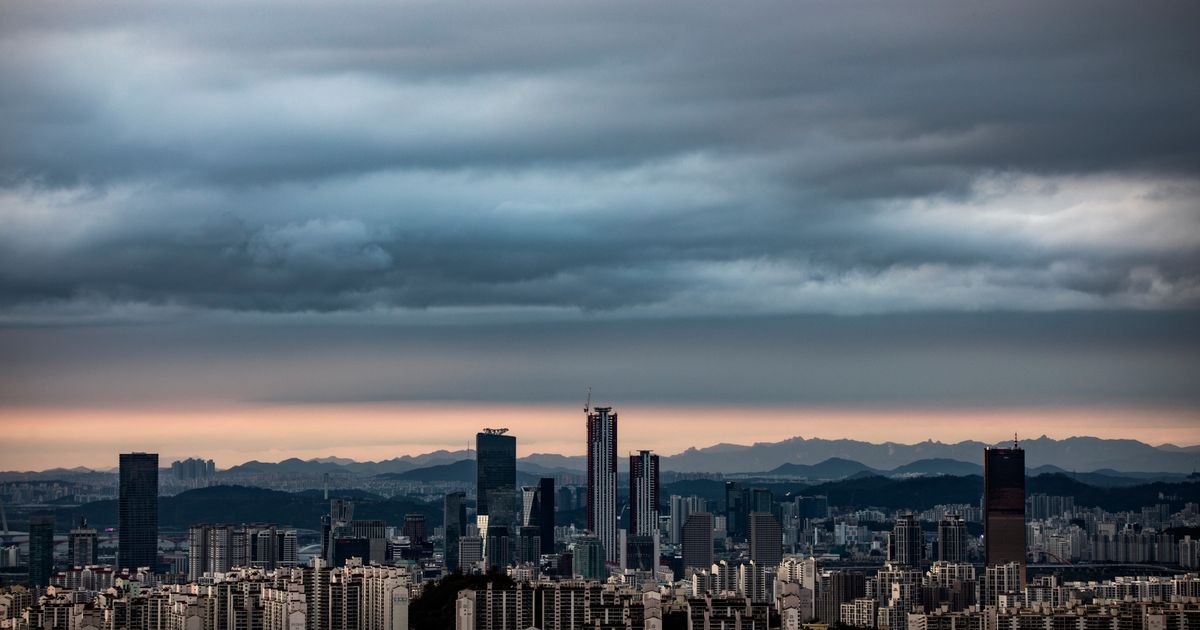
Photo by Nui MALAMA / Pexels
What Actually Moves the Price — Four Factors Quotes Rarely Explain
Two quotes for the same cosmetic surgery in Seoul can differ by thousands, and the gap is almost never random. Before comparing bottom-line numbers, understand what sits behind them:
1. Clinic tier in Gangnam
The same rhinoplasty ranges $3,000–7,000 within a single square kilometre. The upper tier buys a named specialist surgeon rather than a rotating junior — confirm who operates.
2. Interpreter and coordination
Hospital-employed medical interpreters are included at the better clinics; agencies reselling clinic slots add 15–25% margin for the same service.
3. Facial bone surgery premium
V-line and zygoma reduction are among the most technically demanding cosmetic operations anywhere. The price premium reflects real risk — never bargain-hunt these.
4. Tax refund
Foreign patients can reclaim 10% VAT on cosmetic procedures at departure. Clinics rarely volunteer this; ask for the refund paperwork.
Complications, Honestly — and How Good Clinics Handle Them
No serious guide to cosmetic surgery in Seoul should skip this section. Every procedure carries risk; the difference between a good outcome and a bad story is usually how the clinic prepares for, discloses, and manages that risk. Here is what deserves your attention:
Factory-style surgery scheduling
Some high-volume clinics run surgeons across parallel theatres. Ask directly: “Will Dr. X be in my theatre from incision to closure?” and get it in the contract.
Ghost doctor history
Korea legislated against “ghost surgery” after scandals; theatre CCTV is now mandatory in many hospitals. Choose clinics that offer you the recording — the offer itself is the signal.
Communication gaps in aftercare
Post-op instructions lose nuance in translation. Insist on written English aftercare docs before surgery, not after.
Aftercare Timeline: What You Will Actually Be Doing
Recovery is not an event but a schedule. Print this, adapt it to your surgeon’s specific protocol, and give a copy to whoever is looking after you:
- Days 1–7: Swelling management is a Korean speciality: deswelling clinics, lymphatic massage, pumpkin juice tradition aside — follow the clinic’s protocol, it works.
- Weeks 2–3: Most facial patients are socially presentable at day 10–14. Bone-contouring patients need the full 3 weeks in Korea — do not book flights earlier.
- Months 3–12: Final facial-bone results judge at 6–12 months. Remote photo reviews are standard; keep the schedule.
Five Questions That Separate Good Clinics From the Rest
Ask these on your video consultation. The content of the answers matters — but so does the manner: clinics comfortable with scrutiny answer specifics without defensiveness. Evasive answers to any of these are your cue to keep looking.
- Will the surgeon I consult be the surgeon who operates, start to finish?
- Is theatre CCTV available and can I request the recording?
- How many of my exact procedure did this surgeon do last year?
- What does the deswelling/aftercare programme include and for how long?
- Can you provide the VAT refund documentation for foreign patients?
How this guide was prepared
This guide is reviewed by the InterHealthTour medical advisory board and updated as pricing data, clinical guidance and partner-clinic protocols change. Cost ranges reflect quotes collected from accredited partner clinics and published price lists as of Q1 2025; individual quotes vary with anatomy, comorbidities and exchange rates. Nothing here is a substitute for an individual consultation — it is the preparation for one. See our verification methodology for how clinics enter and stay in our network.
Pre-Trip Checklist: 6 Things to Sort Before You Book Flights for Cosmetic surgery in korea
The difference between a smooth trip and a stressful one is almost always preparation done weeks, not days, in advance. Work through this before confirming your travel dates:
☐ Register for K-ETA before departure
Takes minutes online at eta.go.kr — do this at least a week before flying, not at the airport.
☐ Confirm your named surgeon in writing
Get the surgeon's name and their theatre commitment in your contract, not just the clinic's brand name.
☐ Ask about CCTV recording availability
Korea mandates theatre CCTV at many hospitals following past scandals — request access if you want it.
☐ Budget for the deswelling programme
Lymphatic massage and cooling treatments are part of the Korean recovery culture — factor the cost and time in.
☐ Plan 2-3 weeks for facial bone surgery
V-line and cheekbone reduction need the longest recovery window of any Korean cosmetic procedure.
☐ Request VAT refund paperwork
Foreign patients can reclaim 10% VAT on cosmetic procedures at departure — ask the clinic for the documentation.
💬 From Our Coordination Team
Patients returning from Seoul consistently mention two things that surprised them: how much time Korean clinics spend on non-surgical consultation before any procedure is agreed, and how aggressively some Gangnam clinics compete on social media marketing rather than surgical credentials. The clinics that spend the least on Instagram advertising are, anecdotally, often the ones with the most senior surgeons actually operating.
Bottom Line: Is Cosmetic surgery in korea Right for You?
Korea remains unmatched for subtle, natural-looking facial refinement and for the most technically demanding facial bone procedures — but the Gangnap market rewards patients who do their homework before booking.
✓ Good fit if
- You want natural, understated results rather than dramatic, obviously-surgical changes
- You are considering facial bone contouring and want access to genuine specialists in that narrow field
- You value a culture of meticulous aftercare and are willing to follow a structured deswelling programme
⚠ Reconsider or wait if
- You are drawn primarily by social media marketing rather than verified surgeon credentials
- You cannot commit 2-3 weeks for facial bone procedures specifically
- You want the cheapest possible price — Korea is rarely the budget option, quality is the draw
Myths vs Reality
A few misconceptions come up repeatedly in patient enquiries. Worth clearing up before you go further:
The neighbourhood contains both world-leading specialists and aggressive marketing operations with junior staff performing the actual surgery. The clinic's Instagram following tells you nothing about who holds the scalpel.
The opposite is closer to true — Korean surgeons are specifically renowned for producing results that are undetectable as surgical, which is precisely why the "Korean look" trend exists in the first place.
International patient departments at reputable clinics operate entirely in English with dedicated medical interpreters, a service that is standard rather than exceptional at hospitals treating significant foreign patient volumes.
Sources & References
- Joint Commission International (JCI). Accreditation Standards for Hospitals. 2024.
- Patients Beyond Borders. Medical Tourism Statistics & Facts. 2024.
- World Health Organization (WHO). Patient Safety Global Action Plan. 2024.
- PubMed. Outcomes in medical tourism: systematic review. J Int Medical Research. 2023.