Spinal Surgery Abroad: South Korea, Germany, and India
Spinal surgery abroad has grown faster than almost any other category of medical tourism in recent years. The drivers are clear: chronic back pain affects over 600 million people globally; waiting lists for spinal surgery in the UK, Canada, and Australia routinely exceed 18 months; and in the United States, a single-level spinal fusion costs $50,000–$100,000 — a sum that even well-insured patients increasingly cannot access due to prior authorisation denials.
South Korea’s Wooridul Spine Hospital — which holds JCI accreditation and has published outcomes data showing 95%+ patient satisfaction at 2 years — is widely considered the world’s leading specialist spine centre. Its founder, Dr. Sang-Ho Lee, pioneered endoscopic spine surgery techniques now used globally. India’s Fortis and Apollo hospitals perform spinal fusions at $5,000–$10,000 with implant hardware from Medtronic, DePuy Synthes, and Stryker — identical to US surgical hardware.
Common Spinal Procedures and Costs Abroad
| Procedure | South Korea | India | Germany | USA |
|---|---|---|---|---|
| Lumbar Discectomy (single level) | $8,000–$14,000 | $4,000–$7,000 | $15,000–$25,000 | $30,000–$60,000 |
| Spinal Fusion (1–2 levels) | $12,000–$20,000 | $6,000–$12,000 | $25,000–$45,000 | $50,000–$100,000 |
| Cervical Disc Replacement | $10,000–$18,000 | $5,500–$10,000 | $20,000–$35,000 | $40,000–$80,000 |
| Endoscopic Spine Surgery | $7,000–$13,000 | $4,500–$8,000 | $18,000–$30,000 | $35,000–$70,000 |
| Scoliosis Correction | $15,000–$30,000 | $8,000–$18,000 | $40,000–$80,000 | $80,000–$150,000 |
How to Prepare Your Records for Spinal Surgery Assessment
Spinal surgery requires thorough pre-operative evaluation. To receive an accurate overseas assessment and quote, you should obtain and send:
- MRI of the relevant spinal segment — within the last 12 months, in DICOM format if possible (digital file, not just the printed report)
- CT scan — if available, especially for bony pathology or surgical planning
- X-rays — including flexion/extension dynamic X-rays if you have spinal instability
- Consultant’s letter — from your neurosurgeon or orthopaedic surgeon with diagnosis and proposed treatment
- Current symptoms description — how long, which movements aggravate, which are affected (legs, bladder function, etc.)
- Medications list — especially blood thinners and anti-epileptics
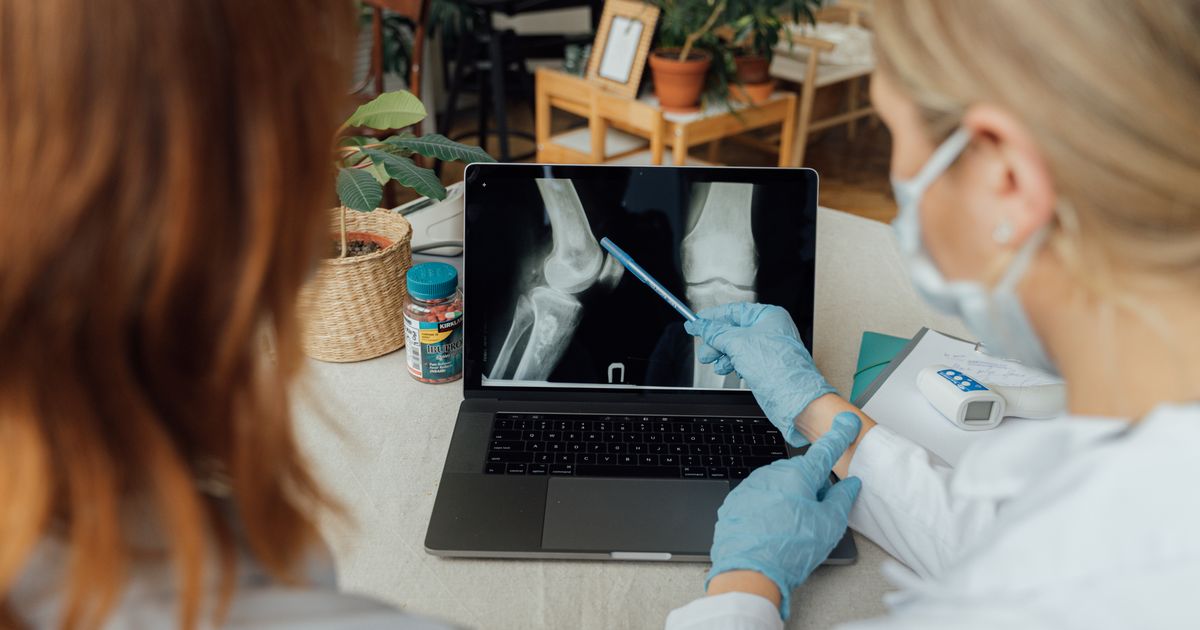
Photo by Adventure Studio / Pexels
What Actually Moves the Price — Four Factors Quotes Rarely Explain
Two quotes for the same spine surgery can differ by thousands, and the gap is almost never random. Before comparing bottom-line numbers, understand what sits behind them:
1. Endoscopic vs open premium
Endoscopic spine surgery (the Korean speciality) costs more per level than open microdiscectomy but discharges you in 1–2 days instead of 4–5. For travellers, the shorter recovery often nets out cheaper.
2. Hardware count
Fusion pricing scales with levels and screws: each additional level adds $2,500–5,000 abroad. A quote must state levels and implant brand.
3. Neuromonitoring
Intraoperative nerve monitoring adds $500–1,000 and is standard-of-care for deformity and multi-level work. Its absence from a quote for complex surgery is disqualifying.
4. Rehab package
Korean and German centres bundle inpatient rehab (1–2 weeks). Indian quotes often exclude it — compare like with like.
Complications, Honestly — and How Good Clinics Handle Them
No serious guide to spine surgery should skip this section. Every procedure carries risk; the difference between a good outcome and a bad story is usually how the clinic prepares for, discloses, and manages that risk. Here is what deserves your attention:
Wrong-level surgery (rare but catastrophic)
Prevented by intraoperative imaging verification. Ask the clinic to describe their level-marking protocol; a rehearsed answer is what you want to hear.
Adjacent segment disease (fusion patients)
Fused levels transfer load to neighbours; 10–25% need attention within a decade. This is exactly why motion-preserving options (disc replacement, endoscopic decompression) deserve a hearing first.
Failed back surgery syndrome
The strongest predictor is operating on the wrong indication. A spine centre that says “you do not need surgery” — as Wooridul tells roughly a third of international enquiries — is the one to trust when it says you do.
Aftercare Timeline: What You Will Actually Be Doing
Recovery is not an event but a schedule. Print this, adapt it to your surgeon’s specific protocol, and give a copy to whoever is looking after you:
- Days 1–14: Walk early, sit briefly, no lifting/bending/twisting (the “BLT ban”). Endoscopic patients often walk within hours.
- Weeks 2–6: Graduated walking programme; physio starts. Flying home cleared at 2–3 weeks for endoscopic, 4–6 for fusion.
- Months 3–12: Fusion consolidates on X-ray over 6–12 months. Core-strengthening physio is not optional — it is half the operation’s success.
Five Questions That Separate Good Clinics From the Rest
Ask these on your video consultation. The content of the answers matters — but so does the manner: clinics comfortable with scrutiny answer specifics without defensiveness. Evasive answers to any of these are your cue to keep looking.
- Do I actually need surgery — what happens if I wait 6 months with structured physio?
- Endoscopic, microscopic or open for my pathology — and your last-year volume in that exact technique?
- Which implant system, how many levels, and will neuromonitoring be used?
- What is your infection and reoperation rate for this procedure?
- What rehab is included, and what is my week-by-week plan until flying home?
How this guide was prepared
This guide is reviewed by the InterHealthTour medical advisory board and updated as pricing data, clinical guidance and partner-clinic protocols change. Cost ranges reflect quotes collected from accredited partner clinics and published price lists as of Q1 2025; individual quotes vary with anatomy, comorbidities and exchange rates. Nothing here is a substitute for an individual consultation — it is the preparation for one. See our verification methodology for how clinics enter and stay in our network.
Pre-Trip Checklist: 6 Things to Sort Before You Book Flights for Spinal surgery
The difference between a smooth trip and a stressful one is almost always preparation done weeks, not days, in advance. Work through this before confirming your travel dates:
☐ Get an MRI within the last 12 months
In DICOM format if possible — the actual image files, not just the written report.
☐ Ask for a second opinion on whether you need surgery
A spine centre that discusses non-surgical options first is one worth trusting when it does recommend surgery.
☐ Confirm the exact implant system and levels
Get this in writing — vague quotes without levels specified are placeholders, not real prices.
☐ Ask about intraoperative neuromonitoring
Standard of care for complex or multi-level fusion — its absence from a quote for major surgery is a red flag.
☐ Plan a longer trip for fusion than for endoscopic surgery
Endoscopic patients often fly home in 2-3 weeks; fusion patients typically need 4-6.
☐ Book physio or rehab for your return home
Core-strengthening physio is not optional after spinal surgery — arrange it before you fly.
💬 From Our Coordination Team
Among patients who have consulted overseas spine centres through our platform, a meaningful proportion have been told, after review, that they do not yet need surgery — and were offered a structured non-surgical pathway first. This is worth mentioning because it runs counter to the assumption that surgery-focused clinics will always recommend surgery; the reputable ones do not.
Bottom Line: Is Spinal surgery abroad Right for You?
Spine surgery abroad offers genuine access to leading endoscopic and fusion expertise at a fraction of Western cost — but the first question any good clinic should answer is whether you need surgery at all.
✓ Good fit if
- You have exhausted conservative treatment (physio, injections, medication) over a reasonable period without relief
- Your MRI and clinical picture show a clear surgical target that a specialist has confirmed
- You can commit to the full recovery window — longer for fusion than for endoscopic procedures
⚠ Reconsider or wait if
- You have not yet tried structured non-surgical treatment — get that assessment first, from a source with no incentive to operate
- Your symptoms are vague or inconsistent with your imaging findings — a second opinion is essential before travelling
Myths vs Reality
A few misconceptions come up repeatedly in patient enquiries. Worth clearing up before you go further:
True conservative management should always be tried first for most degenerative conditions — but for genuine nerve compression with progressive weakness, delaying surgery can worsen the eventual outcome. Timing matters as much as the decision itself.
Endoscopic technique suits many single-level cases well, but complex deformity or multi-level pathology may genuinely need an open or hybrid approach. The right technique depends on your specific pathology, not a blanket preference.
Most fusion patients return to normal activity, including moderate exercise, within 6-12 months. The adjacent-segment consideration is real but is a long-term monitoring issue, not an immediate restriction.
Spine surgery indications can be genuinely subjective between specialists — a second opinion from an internationally recognised centre like Wooridul often changes the recommended approach, and is worth the consultation time before committing to travel.
Sources & References
- Joint Commission International (JCI). Accreditation Standards for Hospitals. 2024.
- Patients Beyond Borders. Medical Tourism Statistics & Facts. 2024.
- World Health Organization (WHO). Patient Safety Global Action Plan. 2024.
- PubMed. Outcomes in medical tourism: systematic review. J Int Medical Research. 2023.