Why Standard Travel Insurance Is Not Enough
This is one of the most important and most overlooked aspects of medical tourism: most standard travel insurance policies explicitly exclude complications arising from planned medical procedures. If you buy a standard travel policy and then develop a complication after your knee replacement in Bangkok, your insurance company may refuse to cover your extended stay, additional treatment, or medical evacuation.
You need specialist medical tourism insurance — and you need to buy it before you travel. This guide explains exactly what to look for, which questions to ask, and what it typically costs.
What Medical Tourism Insurance Should Cover
✓ Essential Coverage
- Surgical complications requiring additional treatment
- Extended hospital stay due to complications
- Medical evacuation to your home country if required
- Return flights if your recovery is extended
- Repatriation of remains (morbid but essential)
- Post-return complications linked to the procedure
✓ Desirable Add-Ons
- Trip cancellation if you become unfit for surgery
- Companion coverage (accommodation/flights for next of kin)
- Liability cover if you are denied boarding on return
- 24-hour emergency assistance line with medical professionals
- Second opinion coordination in your home country
Specialist Medical Tourism Insurance Providers
Several insurers now offer products specifically designed for medical tourists. Coverage options and pricing vary — compare at least 3 before purchasing:
| Provider | Market | Notable Feature |
|---|---|---|
| Battleface | Global | No medical screening, covers elective surgery complications |
| Cigna Global | Global | International health insurance with medical tourism add-on |
| AXA Medical Tourism Cover | UK/EU | Specific medical tourism endorsement on standard policy |
| Trawick International | USA | Elective surgery rider for medical travellers |
| Integra Global | Expats/medical tourists | Full international health insurance including planned procedures |
Typical cost for a two-week medical tourism policy covering a major procedure: $150–$500 depending on procedure type, country, and coverage level. This is a small but essential cost to budget for every trip.
Questions to Ask Any Insurer Before Buying
- "Does this policy cover complications arising from a planned elective procedure?" (get this in writing)
- "What is the procedure for claiming emergency evacuation and what is the maximum covered?"
- "Is there a 24-hour emergency assistance line staffed by medical professionals?"
- "What is the pre-existing condition exclusion window — does it apply to the procedure I am having?"
- "If my recovery is extended and I miss my return flight, what accommodation and rebooking costs are covered?"
- "Does the policy cover complications that emerge after I return home?"
Clinic Guarantees vs Insurance: What’s the Difference?
Many clinics offer "guarantees" — free revision if you are unhappy, or a return visit at reduced cost if complications arise. These are valuable but are not a substitute for insurance. A clinic guarantee requires you to travel back to that clinic; insurance covers treatment anywhere. If a clinic closes (it happens), guarantees become worthless; insurance does not. Always have both.
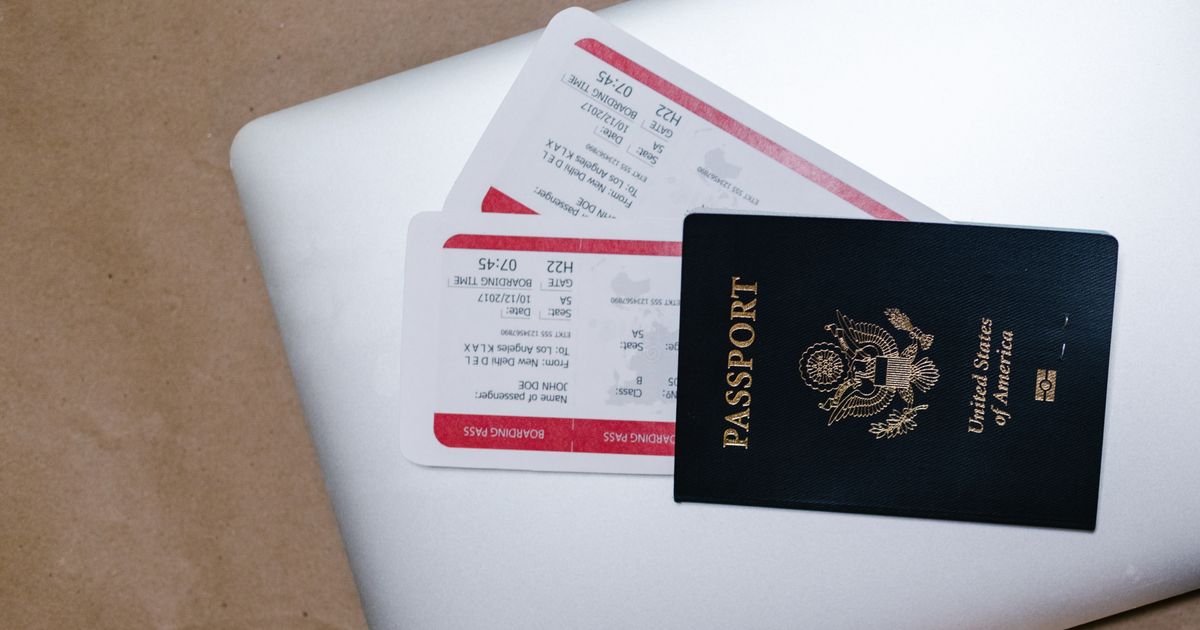
Photo by RDNE Stock project / Pexels
What Actually Moves the Price — Four Factors Quotes Rarely Explain
Two quotes for the same insured medical travel can differ by thousands, and the gap is almost never random. Before comparing bottom-line numbers, understand what sits behind them:
1. Procedure risk class
Insurers price a LASIK trip at $80–150 and a cardiac surgery trip at $350–600. The premium tracks the evacuation risk, not the trip length.
2. Evacuation coverage ceiling
Air ambulance from Bangkok to London costs $80,000–150,000. A policy with a $50,000 evacuation cap is decorative. Look for $250,000+.
3. Complication window after return
The better policies cover procedure-linked complications for 30–90 days after you get home. This clause is worth more than any other.
4. Companion coverage
Adding a companion’s cancellation/extension cover costs $30–60 and saves real money when your recovery runs a week long.
Complications, Honestly — and How Good Clinics Handle Them
No serious guide to insured medical travel should skip this section. Every procedure carries risk; the difference between a good outcome and a bad story is usually how the clinic prepares for, discloses, and manages that risk. Here is what deserves your attention:
The elective-procedure exclusion
Standard travel policies exclude planned treatment and everything downstream of it. Buying one and hoping is the most common insurance mistake medical travellers make.
Pre-existing condition denial
If your surgery treats a pre-existing condition, a badly chosen policy can void complication cover. Declare everything; get acceptance in writing.
The assistance-line gap
A policy without a 24-hour medical assistance line leaves you negotiating a foreign ICU admission alone. Confirm the line is staffed by clinicians, not claim handlers.
Aftercare Timeline: What You Will Actually Be Doing
Recovery is not an event but a schedule. Print this, adapt it to your surgeon’s specific protocol, and give a copy to whoever is looking after you:
- Before purchase: Send the insurer your procedure name, date, clinic and country in writing. Keep their reply — it is your coverage evidence.
- During the trip: Save the assistance line in your phone and give it to your companion. Report any complication to the insurer within 24–48 hours as most policies require.
- If you claim: Every invoice, every discharge paper, every taxi-to-hospital receipt. Claims die on missing paperwork, not on merit.
Five Questions That Separate Good Clinics From the Rest
Ask these on your video consultation. The content of the answers matters — but so does the manner: clinics comfortable with scrutiny answer specifics without defensiveness. Evasive answers to any of these are your cue to keep looking.
- Does this policy explicitly cover complications of my planned procedure — can you confirm that in writing?
- What is the medical evacuation ceiling and who arranges the air ambulance?
- How long after returning home am I covered for procedure-linked complications?
- Is there a 24/7 assistance line staffed by medical professionals?
- What exactly voids the policy — alcohol, late notification, non-accredited facility?
How this guide was prepared
This guide is reviewed by the InterHealthTour medical advisory board and updated as pricing data, clinical guidance and partner-clinic protocols change. Cost ranges reflect quotes collected from accredited partner clinics and published price lists as of Q1 2025; individual quotes vary with anatomy, comorbidities and exchange rates. Nothing here is a substitute for an individual consultation — it is the preparation for one. See our verification methodology for how clinics enter and stay in our network.
Pre-Trip Checklist: 6 Things to Sort Before You Book Flights for Insured medical travel
The difference between a smooth trip and a stressful one is almost always preparation done weeks, not days, in advance. Work through this before confirming your travel dates:
☐ Get the procedure confirmed in writing by the insurer
Email the exact procedure, date, and clinic — save their written acceptance, not just a policy number.
☐ Check the evacuation coverage ceiling
Should be $250,000+ — air ambulance repatriation genuinely costs six figures from Southeast Asia or the Gulf.
☐ Confirm the post-return complication window
30-90 days of coverage after you land home is the feature that matters most — many cheap policies quietly exclude this.
☐ Save the 24-hour assistance number
Test that a real person answers before you travel, not after you need them.
☐ Read the exclusions list fully
Alcohol-related incidents, late notification, non-accredited facilities — know exactly what voids your cover.
☐ Buy before, not after, booking surgery
Some insurers refuse cover once a procedure date already exists — sequence matters.
💬 From Our Coordination Team
Our coordination team has handled a small number of genuine complication cases over the years, and the pattern is consistent: patients with proper medical tourism insurance navigate the situation calmly and get appropriate care quickly. Patients who travelled on standard travel insurance discover the exclusion clause exactly when they need coverage most — a uniquely stressful position to be in in a foreign hospital.
Bottom Line: Is Buying medical tourism insurance Right for You?
This is the cheapest form of protection in the entire medical tourism process, and the most commonly skipped — treat the $150-500 premium as a fixed cost of the trip, not an optional extra.
✓ Good fit if
- You want peace of mind that a complication will not become a financial catastrophe on top of a medical one
- Your destination is more than a few hours from home by air, making evacuation cost genuinely significant
- You are having anything beyond the simplest, lowest-risk procedures
⚠ Reconsider or wait if
- You already have comprehensive international health insurance that explicitly covers planned elective treatment abroad — check the policy wording carefully first
Myths vs Reality
A few misconceptions come up repeatedly in patient enquiries. Worth clearing up before you go further:
Almost never for planned procedures. Card-issuer travel insurance is built for unexpected illness and trip disruption, and explicitly excludes elective treatment in nearly every policy we have reviewed.
A clinic guarantee only helps if the clinic still exists and you can travel back to it. Insurance protects you regardless of what happens to the clinic and covers costs anywhere, including at home.
Even LASIK carries a small complication rate requiring follow-up care. A $80-150 policy for a low-risk procedure is inexpensive enough that the case for buying it holds almost universally.
Sources & References
- Joint Commission International (JCI). Accreditation Standards for Hospitals. 2024.
- Patients Beyond Borders. Medical Tourism Statistics & Facts. 2024.
- World Health Organization (WHO). Patient Safety Global Action Plan. 2024.
- PubMed. Outcomes in medical tourism: systematic review. J Int Medical Research. 2023.